Child-Resistant Cannabis Storage: Safety, Compliance, and Best Practices
The Importance of Child-Resistant Cannabis Storage
As cannabis becomes more widely available, the responsibility to keep it away from children becomes increasingly important. Child-resistant (CR) packaging isn't just a legal requirement in many jurisdictions - it's an essential safety measure that protects families and communities.
In this guide, we'll explore child-resistant storage requirements, the technology behind CR closures, and best practices for keeping cannabis safely stored.
Understanding Child-Resistant Requirements
What "Child-Resistant" Means
Child-resistant packaging is designed to be:
- Difficult for children under 5 to open within a reasonable time
- Not impossible for adults, including seniors, to access
- Certified through standardized testing protocols
It's important to note: Child-resistant does NOT mean child-proof. No packaging can guarantee complete prevention. CR packaging is one layer of a comprehensive safety approach.
Regulatory Framework
Most legal cannabis markets require CR packaging:
State-level requirements (US):
- California: CR packaging mandatory for all cannabis products
- Colorado: CR requirements for retail cannabis
- Oregon: Strict CR standards for all product types
- (Requirements vary by state - always verify local regulations)
ASTM Standards: The most common certification is ASTM D3475, which defines testing protocols:
- 200 children ages 42-51 months tested
- Must resist opening by 85%+ of children for 5 minutes
- 90% of adults must be able to open
Poison Prevention Packaging Act: Cannabis often falls under PPPA guidelines, originally designed for pharmaceuticals.
Products Requiring CR Packaging
Typically required:
- Flower and pre-rolls
- Edibles (especially strict due to appeal to children)
- Concentrates
- Tinctures
- Any product sold at retail
May be exempt (varies by jurisdiction):
- Products sold between businesses (B2B)
- Medical products in specific cases
- Exit packaging from dispensaries
Types of Child-Resistant Closures
Push-and-Turn Caps
The most common CR mechanism:
How it works:
- Push down on cap
- While pushing, turn counterclockwise
- Release after opening
Advantages:
- Familiar mechanism
- Widely available
- Affordable
- Works with various container types
Used on:
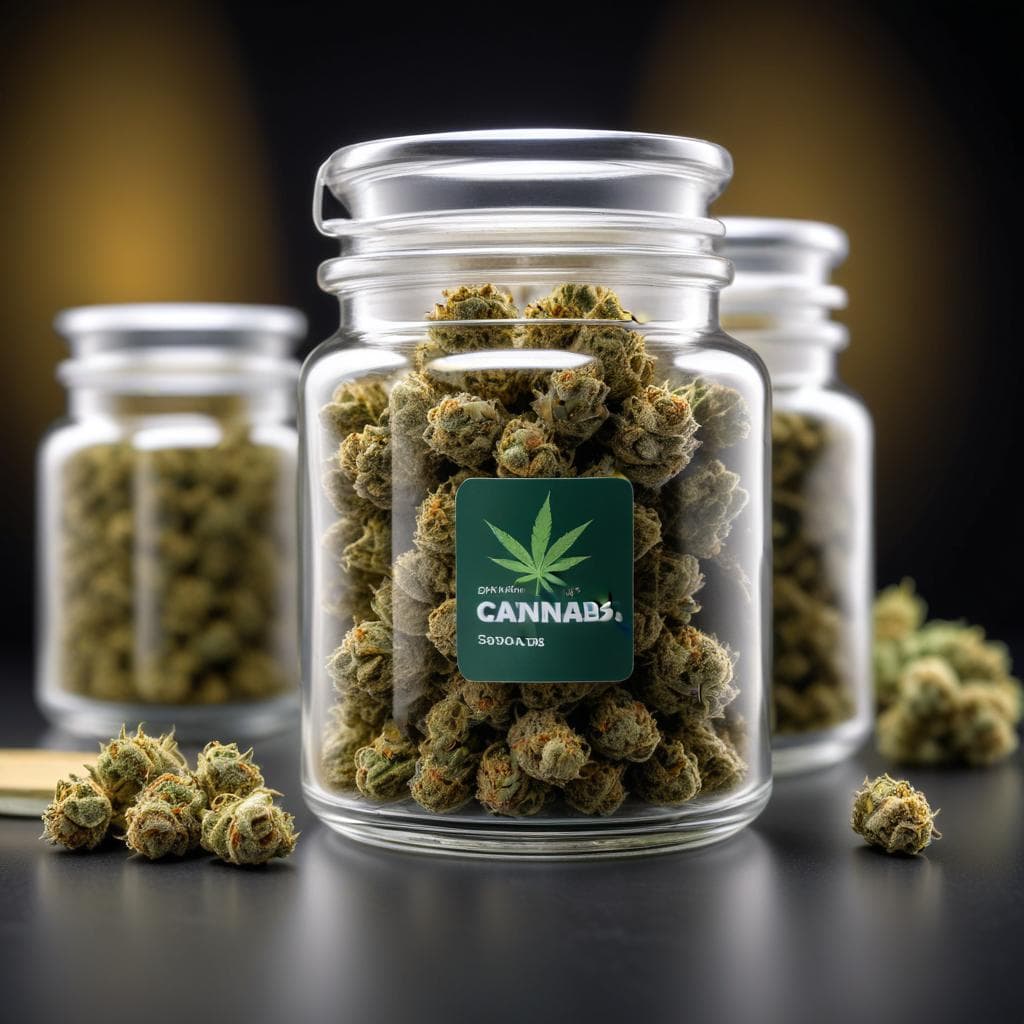
- Glass stash jars
- Bottles
- Various container types
Squeeze-and-Turn Caps
How it works:
- Squeeze sides of cap
- While squeezing, turn counterclockwise
- Release after opening
Advantages:
- Very effective for children
- Can be easier for adults than push-turn
- Good for arthritis sufferers
Pinch-and-Slide Mechanisms
How it works:
- Pinch specific pressure points
- Slide lid in designated direction
- Access contents
Common on:
- Slider tins
- Exit bags
- Child-resistant mylar bags
Combination Mechanisms
How it works:
- Multiple steps required
- Often combines squeeze/push with additional action
- May require two hands
Examples:
- Push-squeeze-pull
- Alignment mechanisms
- Locking levers
Locking Containers
How it works:
- Key, combination, or magnetic lock
- Physical barrier to access
- Lock mechanism must be engaged
Best for:
- Home storage
- High-value products
- Secondary storage containers
Choosing CR Storage for Your Needs
For Dispensaries and Brands
Primary considerations:
- Compliance - Must meet local requirements
- Functionality - Easy enough for customers to use
- Branding - CR containers can still look premium
- Cost - CR adds expense; factor into pricing
Popular options:
- CR glass stash jars with push-turn caps
- CR exit bags with child-resistant zippers
- CR tubes for pre-rolls
- CR tins with special closures
Request a mockup from MunchMakers to see branded CR packaging options.
For Personal Use
Even where not legally required, CR storage is smart:
Home storage priorities:
- Keep out of reach AND in CR container
- Store in locations children can't access
- Never leave accessible, even briefly
- Educate household about dangers
Product options:
- Locking wood stash boxes
- CR jars for daily use
- Locking cabinets for collection
- Combination lock containers
Beyond Packaging: Comprehensive Child Safety
The Layered Approach
CR packaging is one layer. Complete safety includes:
Layer 1: Physical Storage
- High locations (out of reach)
- Locked cabinets or drawers
- Dedicated, secured space
Layer 2: CR Packaging
- Certified child-resistant containers
- Properly engaged closures
- Intact packaging
Layer 3: Concealment
- Opaque containers
- Non-descriptive appearance
- Not visually appealing to children
Layer 4: Education
- Household awareness
- Age-appropriate conversations
- Adult responsibility
Specific Risks by Product Type
Edibles: Highest risk for accidental child consumption:
- Look like regular candy/food
- Appealing flavors
- Easy to consume accidentally
Extra precautions:
- Store separately from regular food
- Double containment (CR package + locked storage)
- Never leave accessible, even for a moment
Flower: Moderate risk:
- Less immediately appealing
- Still attractive to curious children
Concentrates: Moderate risk:
- Less likely to be consumed
- Still requires secure storage
Tinctures: Higher risk:
- Can look like medicine
- Easy to accidentally consume
- Often flavored
CR Storage for Travel
Smell proof containers with CR Features
Travel containers should combine:
- Child-resistant closures
- Odor containment
- Durability for transport
- Compliance with destination laws
Vehicle Storage
In vehicles:
- Locked glove box or trunk
- CR container required in many states
- Out of sight
- Never accessible to child passengers
Quality and Testing
Recognizing Certified CR Packaging
Look for:
- ASTM D3475 certification
- CR icon on packaging
- Manufacturer testing documentation
- Compliance with local regulations
Be wary of:
- Uncertified "child-resistant" claims
- Very cheap CR alternatives
- Packaging without proper documentation
Testing Your CR Containers
Basic function check:
- Does closure engage properly?
- Is mechanism difficult without knowing the trick?
- Does it reseal effectively?
- Is packaging intact and undamaged?
Replace if:
- Closure feels loose
- Mechanism is damaged
- Seals don't engage
- Container is cracked or compromised
Senior and Accessibility Considerations
The Accessibility Balance
CR packaging must be:
- Difficult for children
- Accessible for adults, including seniors
- Usable by those with limited dexterity
Options for Those with Accessibility Needs
If standard CR is difficult:
- Look for squeeze mechanisms (often easier than push-turn)
- Consider locking containers with key access
- Ask dispensary about accessible packaging options
- Use secondary storage (keep in accessible container inside locked cabinet)
Important: Never transfer to non-CR packaging in homes with children.
Business Compliance
For Dispensaries
Compliance checklist:
- Verify all products in CR packaging
- Document CR certifications
- Train staff on CR requirements
- Regular packaging audits
- Stay updated on regulation changes
For Brands
Packaging development:
- Design with CR requirements in mind
- Source certified CR closures
- Test compatibility with container
- Verify certification documentation
- Plan for regulatory changes
Branding on CR packaging: CR containers can still be premium and branded:
- Custom colors
- Logo printing
- Premium materials
- Distinctive designs
Explore branded CR options with MunchMakers custom packaging.
Common CR Mistakes
Mistake 1: Assuming "CR" Means "Safe"
CR packaging slows children but doesn't stop determined ones. Always use multiple safety layers.
Mistake 2: Not Engaging Closure
CR only works when properly closed. Make engaging the closure a habit.
Mistake 3: Damaged Packaging
Cracked containers, worn closures, or damaged seals compromise CR effectiveness. Replace compromised packaging.
Mistake 4: Relying Solely on Packaging
CR packaging is one layer. Location, concealment, and education are equally important.
Mistake 5: Ignoring Regulations
Requirements vary and change. Stay current on local regulations.
Creating a Child-Safe Storage System
Home Setup Recommendations
- Designated secure location - Locked cabinet or room
- CR containers - All products in certified packaging
- Organization - Know what you have and where
- Regular checks - Verify packaging integrity
- Family awareness - Everyone knows the rules
Recommended Products
- Glass stash jars with CR caps
- Locking wood stash boxes
- CR smell proof containers
- UV glass jars with CR options
Conclusion
Child-resistant storage is both a legal requirement and an ethical responsibility. By understanding CR mechanisms, complying with regulations, and implementing comprehensive safety measures, we can enjoy cannabis responsibly while protecting children.
Prioritize safety in your storage choices, and remember: CR packaging is one important layer in a complete child safety approach.
Explore compliant storage options in our product collection and request a mockup for branded CR packaging solutions.
Ready to Create Your Custom Storage?
Put your brand in your customers' hands. Get a free mockup in 24 hours.