How Smell-Proof Containers Work: The Science Behind Odor Control Technology
The Science of Containing Cannabis Odor
Cannabis has one of the most distinctive and potent aromas in the plant kingdom. For many enthusiasts, that's part of the appeal. But whether you're traveling, living with roommates, or simply prefer discretion, containing that smell is often a top priority.
Modern smell proof containers use sophisticated engineering to lock in odors completely. In this guide, we'll explore the science behind this technology and help you choose the right solution for your needs.
Why Cannabis Smells So Strong
Before understanding how to contain the smell, it's helpful to know why cannabis is so aromatic in the first place.
Terpenes: Nature's Aromatic Molecules
Cannabis contains over 200 different terpenes - organic compounds responsible for the plant's complex aroma. These same molecules are found in other plants:
- Myrcene - Also in mangoes and hops (earthy, musky)
- Limonene - Found in citrus fruits (bright, citrusy)
- Pinene - Present in pine trees (fresh, piney)
- Linalool - Common in lavender (floral, calming)
These volatile compounds evaporate easily at room temperature, which is why cannabis is so aromatic - the terpenes are constantly releasing into the air.
Molecular Size Matters
Terpene molecules are incredibly small, measuring just a few nanometers across. For comparison:
- Human hair: 75,000 nanometers wide
- Terpene molecule: 1-2 nanometers
This tiny size allows terpenes to escape through microscopic gaps in regular containers. Effective smell-proof technology must address this molecular level of containment.
The Three Pillars of Smell-Proof Technology
Modern smell proof containers typically employ three strategies to prevent odor escape:
1. Airtight Sealing
The foundation of any smell-proof container is a complete airtight seal. This prevents the continuous exchange of air that carries terpene molecules outside the container.
Key sealing technologies:
- Silicone gaskets - Flexible material that creates continuous contact around the lid edge
- Compression seals - Lids that press gaskets into grooves for maximum contact
- Threaded closures - Screw mechanisms that apply even pressure
- Snap-lock systems - Mechanical latches that maintain constant pressure
The difference between "airtight" and truly smell-proof lies in the precision of these seals. Even microscopic gaps allow terpenes to escape over time.
2. Impermeable Materials
Not all materials are equally effective at blocking odor molecules. Some materials are naturally porous and allow gradual diffusion even without air gaps.
Material effectiveness ranking:
| Material | Odor Permeability | Notes | |----------|-------------------|-------| | Glass | Excellent | Completely impermeable | | Metal (aluminum/steel) | Excellent | Non-reactive barrier | | Dense plastics | Good to Excellent | Depends on type | | Silicone | Good | Some minimal permeability | | Thin plastics | Poor | Terpenes can diffuse through | | Paper/Cardboard | Very Poor | Highly porous |
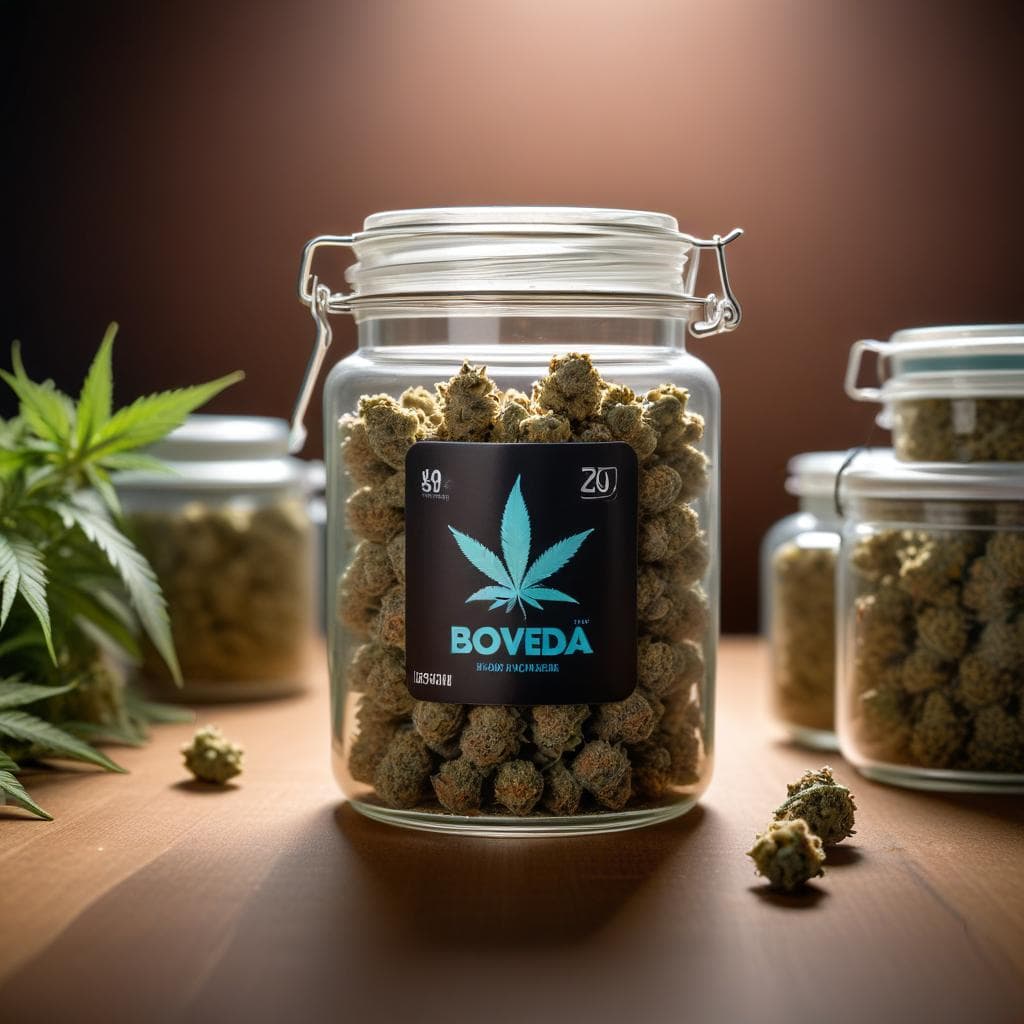
Glass stash jars remain the gold standard because glass is completely impermeable to gas molecules of any size.
3. Activated Carbon Filtration
Premium smell-proof containers add a third layer of protection: activated carbon filters. These work through a process called adsorption (not absorption).
How activated carbon works:
Activated carbon is processed to create millions of microscopic pores, giving it an enormous surface area. A single gram of activated carbon can have a surface area of 3,000 square meters.
When terpene molecules contact this surface, they bond to the carbon through Van der Waals forces. The molecules are essentially trapped on the carbon surface rather than floating in the air.
Carbon filter applications:
- Lined storage bags
- Filter inserts for containers
- Integrated lid filters
- Travel pouches
Types of Smell-Proof Containers
Glass Containers with Silicone Seals
Glass stash jars with quality silicone gaskets offer excellent smell-proofing. The impermeable glass combined with precision seals creates a truly airtight environment.
Pros:
- Completely impermeable material
- Visible contents
- Easy to clean
- Durable and reusable
Cons:
- Breakable if dropped
- Less portable
Metal Containers
Aluminum and stainless steel containers offer impact resistance along with smell-proofing capabilities.
Pros:
- Durable and portable
- Light-blocking
- Travel-friendly
Cons:
- Can't see contents
- Some may affect flavor if not properly coated
Silicone Containers
Flexible silicone containers are popular for concentrates and portability.
Pros:
- Unbreakable
- Flexible and portable
- Great for concentrates
Cons:
- Some odor permeability over time
- Less effective for long-term storage
Vacuum-Sealed Containers
Removing air from the container eliminates the medium that carries odor molecules.
Pros:
- Maximum odor containment
- Extended freshness
Cons:
- More complex operation
- Can compress delicate flower
Testing Smell-Proof Claims
Not all "smell-proof" claims are equal. Here's how to verify a container's effectiveness:
The Water Test
Fill the container with water, seal it, and turn it upside down. If water escapes, air (and odors) can too.
The Smoke Test
Place a smoking incense stick inside, seal, and check if any smoke escapes through gaps.
The Dog Test
This is the ultimate test - can a trained detection dog find the container? Quality smell-proof containers should pass this test.
The Time Test
A truly smell-proof container maintains containment over weeks and months, not just hours.
Choosing the Right Solution
For Home Storage
Glass stash jars with quality seals offer the best combination of smell-proofing, visibility, and style. They're perfect for:
- Displaying your collection
- Long-term storage
- Pairing with humidity packs
For Travel
Prioritize durability and portability with smell proof containers specifically designed for travel:
- Impact-resistant materials
- Compact sizes
- TSA-friendly designs
- Keychain or pocket options
For Dispensaries
Custom branded smell-proof containers serve dual purposes:
- Protecting customer purchases
- Marketing your brand
Request a mockup to see how MunchMakers can create custom smell-proof storage with your branding.
Maintaining Smell-Proof Performance
Regular Cleaning
Residual oils and terpenes build up on seals and surfaces, eventually compromising performance. Clean containers regularly with:
- Isopropyl alcohol (90%+)
- Warm soapy water
- Specialized cleaning solutions
Seal Inspection
Check silicone gaskets periodically for:
- Cracks or tears
- Compression set (permanent deformation)
- Debris in seal grooves
- Proper seating
Replace gaskets when they show wear.
Carbon Filter Replacement
If your container uses activated carbon, it will eventually become saturated and lose effectiveness. Most filters need replacement every 2-3 months with regular use.
Common Mistakes That Compromise Smell-Proofing
- Residue on sealing surfaces - Always wipe lid edges clean
- Storing near heat - Heat increases terpene volatility
- Incomplete closure - Ensure seals are fully engaged
- Cheap imitations - Low-quality containers often fail testing
- Ignoring maintenance - Even quality containers need care
Conclusion
Smell-proof technology combines precise engineering with materials science to contain cannabis's potent aroma. By understanding how these containers work, you can choose the right solution for your specific needs - whether that's home storage, travel, or professional dispensary packaging.
Explore our collection of smell proof containers and glass stash jars to find the perfect odor-control solution for your needs.
Ready to Create Your Custom Storage?
Put your brand in your customers' hands. Get a free mockup in 24 hours.
Related Articles
Cannabis Storage Solutions: Complete Guide to Keeping Weed Fresh 2026
Mylar Bags for Cannabis Storage: Complete Dispensary Packaging Guide 2026