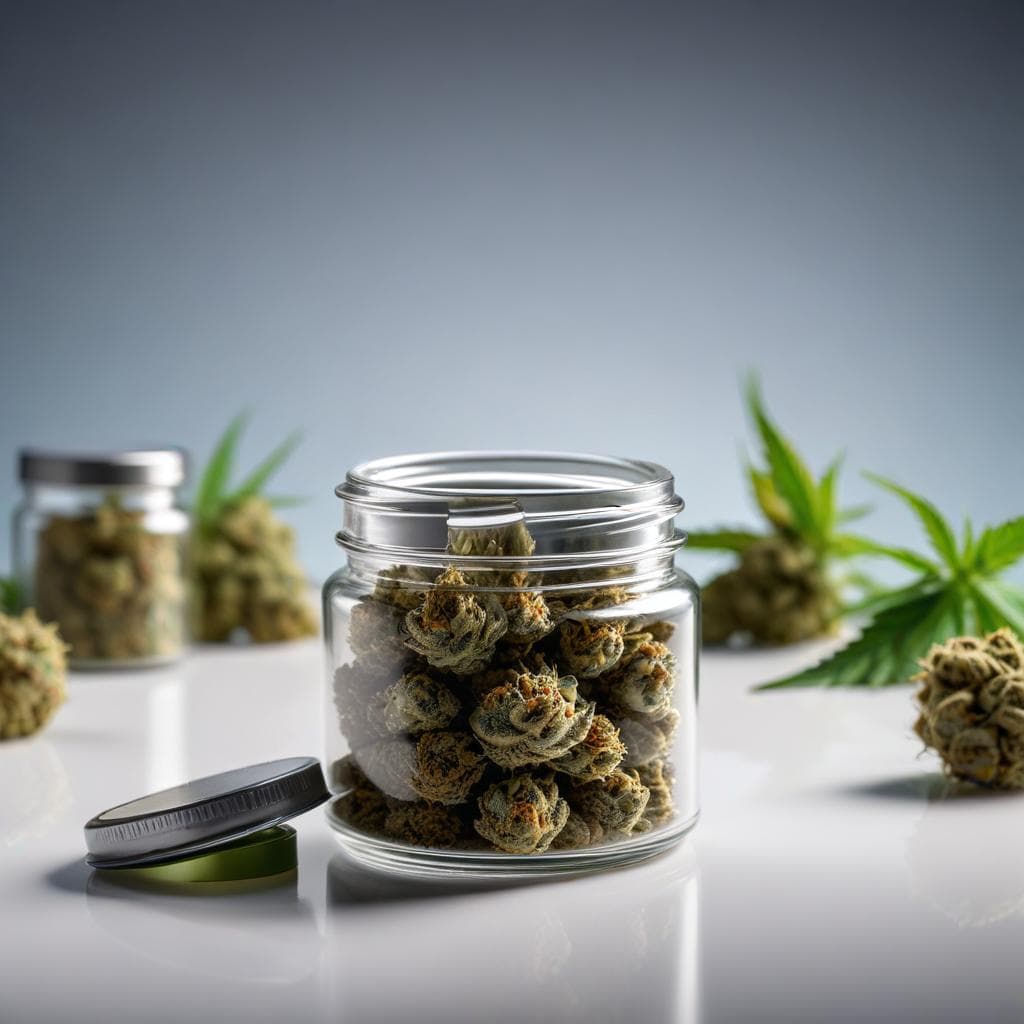
Optimal Cannabis Storage Temperature: The Complete Guide to Temperature Control
Why Temperature Matters for Cannabis Storage
Temperature is one of the four pillars of cannabis preservation, alongside humidity, light, and air control. While often overlooked in favor of airtight containers and humidity packs, temperature significantly impacts how well your cannabis ages and maintains its quality.
In this comprehensive guide, we'll explore the science behind temperature effects, identify optimal storage conditions, and provide practical solutions for temperature control.
The Science of Temperature and Cannabis
How Heat Affects Cannabis
Chemical reactions generally accelerate with increased temperature. For cannabis, this means:
Cannabinoid Degradation: Heat accelerates the conversion of THC to CBN. The Arrhenius equation tells us that reaction rates roughly double for every 10°C (18°F) increase in temperature.
- At 70°F (21°C): Moderate degradation rate
- At 80°F (27°C): Degradation nearly doubled
- At 90°F (32°C): Degradation approximately 4x faster
Terpene Volatilization: Terpenes have varying boiling points, but many begin evaporating at relatively low temperatures:
| Terpene | Boiling Point | Vulnerability | |---------|--------------|---------------| | Myrcene | 334°F (168°C) | Moderate | | Limonene | 349°F (176°C) | Moderate | | Pinene | 311°F (155°C) | Higher | | Linalool | 388°F (198°C) | Lower |
While these boiling points seem high, evaporation begins well below boiling temperature. Warmer storage means faster terpene loss.
Moisture Dynamics: Heat affects humidity levels:
- Warm air holds more moisture
- Cooling causes condensation
- Temperature swings stress humidity packs
- Inconsistent conditions degrade quality
How Cold Affects Cannabis
While cooler is generally better, extreme cold creates its own problems:
Trichome Brittleness: At very low temperatures, trichomes become extremely fragile:
- Freeze: Trichomes can shatter with handling
- Near-freeze: Brittleness increases
- Cold: Some brittleness, minimal risk
Condensation Risk: Moving cannabis between temperature zones:
- Cold to warm = condensation on/in product
- Moisture enables mold
- Temperature swings are problematic
Humidity Pack Performance: Extreme cold affects humidity pack function:
- Reduced efficacy in very cold conditions
- Slower response to humidity changes
- May not maintain target RH
The Optimal Temperature Range
The Sweet Spot: 60-70°F (15-21°C)
This range provides the ideal balance:
Benefits:
- Slows degradation significantly
- Maintains trichome integrity
- Humidity packs work optimally
- No condensation risk
- Sustainable without special equipment
Comparison to other ranges:
| Temperature | Degradation Rate | Trichome Risk | Practicality | |-------------|-----------------|---------------|---------------| | 40-50°F | Very slow | Moderate brittleness | Requires refrigeration | | 50-60°F | Slow | Minimal risk | Cool room/cellar | | 60-70°F | Moderate (optimal) | No risk | Room temperature | | 70-80°F | Accelerated | No risk | Typical homes | | 80°F+ | Rapid | No risk | Avoid |
Room Temperature Reality
Most homes fluctuate between 68-76°F (20-24°C). This is acceptable for short-to-medium term storage, but consider:
- Summer temperatures may exceed ideal range
- Heating systems create fluctuations
- Some rooms are warmer than others
- Choose the coolest stable location
Practical Temperature Control
Finding Cool Spots at Home
Best locations:
- Interior closets - Insulated from exterior temperature swings
- Basement/cellar - Naturally cooler, stable temperature
- North-facing rooms - Less sun exposure
- Lower shelves - Heat rises; lower is cooler
- Away from electronics - Appliances generate heat
Avoid:
- Near windows - Sun exposure, temperature swings
- In kitchens - Cooking heat, humidity fluctuations
- Near HVAC vents - Direct airflow, temperature changes
- Attics/garages - Extreme temperature swings
- Bathrooms - Humidity and temperature fluctuations
Dedicated Cooling Options
Wine coolers/beverage refrigerators: Excellent option for serious storage:
Advantages:
- Consistent temperature (typically 50-65°F adjustable)
- Dark interior
- Separate from food odors
- Professional preservation
Considerations:
- Initial cost
- Uses electricity
- May be overkill for casual consumers
Cannabis humidors: Purpose-built solutions:
Features:
- Temperature and humidity control
- Designed for cannabis specifically
- Premium preservation
- Built-in organization
Considerations:
- Higher cost
- Various quality levels
- Electric models most effective
Monitoring Temperature
Digital thermometers:
- Place in storage area
- Track min/max temperatures
- Identify problematic fluctuations
- Inexpensive insurance
Smart sensors:
- Continuous monitoring
- App notifications
- Historical data
- Multiple location tracking
Temperature and Container Selection
How Containers Affect Temperature
Glass containers (glass stash jars, UV glass jars):
- Conduct temperature slowly
- Provide some thermal buffer
- Don't insulate significantly
- Ideal for stable environments
Metal containers:
- Conduct temperature quickly
- No thermal buffer
- Can get hot/cold rapidly
- Avoid extreme locations
Wooden containers (wood stash boxes):
- Natural insulation
- Temperature buffer
- Best thermal stability
- Pair with inner glass jars
Layered Storage Approach
For optimal temperature stability:
- Glass stash jars - Direct product contact
- Wood stash box - Insulating outer container
- Cool location - Environmental control
This layered approach provides multiple buffers against temperature fluctuation.
Seasonal Considerations
Summer Storage
Challenges:
- Higher ambient temperatures
- Air conditioning inconsistency
- Power outages during storms
Solutions:
- Relocate to coolest area
- Consider cooler storage option
- Monitor temperatures more frequently
- Use UV glass jars to counter increased light
Winter Storage
Challenges:
- Heating system fluctuations
- Dry air from heating
- Cold spots near exterior walls
Solutions:
- Avoid exterior walls
- Monitor humidity more closely
- Keep away from heat sources
- Stable interior location ideal
Climate Zone Considerations
Hot climates:
- Temperature control more critical
- Air conditioning important
- Consider dedicated cooling
- Basements valuable if available
Cold climates:
- Avoid unheated spaces
- Interior locations preferred
- Watch for humidity issues
- Temperature stability key
Humid climates:
- Temperature and humidity interact
- Air conditioning helps both
- Monitor conditions closely
- Quality containers essential
Special Situations
Travel Storage
Smell proof containers face temperature challenges during travel:
Vehicle storage concerns:
- Cars can exceed 140°F in summer
- Never leave in parked car
- Keep with you or in cooled space
- Brief exposure less damaging than extended
Travel tips:
- Insulated bags for extreme weather
- Keep containers with you
- Avoid checked luggage holds (temperature extremes)
- Plan for destination storage
Dispensary Considerations
Display areas:
- Climate control essential
- Lighting adds heat
- Monitor display temperatures
- Rotate stock from cool storage
Back-stock storage:
- Dedicated cool storage ideal
- Consistent temperature priority
- Quality monitoring systems
- HVAC designed for preservation
Refrigeration: The Controversial Option
Arguments For Refrigeration
- Consistent cool temperature
- Significantly slows degradation
- Extends long-term storage
Arguments Against Refrigeration
- Humidity fluctuations in standard fridges
- Trichome brittleness risk
- Condensation when removing
- Food odor contamination
- Temperature swings from door opening
If You Choose Refrigeration
Best practices:
- Use dedicated refrigerator (not food fridge)
- Set to highest setting (37-40°F/3-4°C)
- Double-seal containers
- Allow slow warming before opening
- Monitor humidity inside containers
- Don't handle cold flower
Freezing: Generally Not Recommended
While freezing dramatically slows degradation:
- Trichomes become extremely brittle
- Any handling destroys quality
- Condensation risk upon thawing
- Reserved for very long-term storage only
If you must freeze:
- Vacuum seal first
- Never handle until fully thawed
- Thaw slowly at room temperature
- Accept some quality loss
Putting It All Together
The Complete Temperature-Controlled Storage System
Components:
- Quality containers - Glass stash jars or UV glass jars
- Humidity control - 62% RH humidity packs
- Light protection - UV glass or dark storage
- Temperature control - Cool, stable location
- Monitoring - Thermometer/hygrometer
Setup:
- Identify coolest stable location in home
- Set up storage area away from heat/light sources
- Place thermometer to monitor conditions
- Store cannabis in quality containers with humidity packs
- Check conditions weekly
- Adjust location seasonally if needed
Investment Levels
Basic (free-low cost):
- Find cool closet or drawer
- Quality sealed containers
- Humidity packs
- Monitor with basic thermometer
Intermediate (moderate cost):
- Dedicated storage cabinet
- UV glass jars for all storage
- Digital thermometer/hygrometer
- Wood stash boxes for organization
Advanced (higher cost):
- Wine cooler or cannabis humidor
- Smart monitoring system
- Premium containers throughout
- Complete environmental control
Conclusion
Temperature control is essential for preserving cannabis quality. The ideal range of 60-70°F provides the best balance of preservation and practicality. Combined with quality glass stash jars or UV glass jars, proper humidity control, and smart storage location choices, temperature management ensures your cannabis stays fresh and potent.
Remember: consistency matters more than perfection. A stable 72°F beats fluctuating between 65°F and 80°F. Find the coolest stable spot you can and build your storage system there.
Explore our storage collection to find containers that complement your temperature-controlled storage environment.
Ready to Create Your Custom Storage?
Put your brand in your customers' hands. Get a free mockup in 24 hours.
Related Articles
Cannabis Storage Solutions: Complete Guide to Keeping Weed Fresh 2026
Long-Term Cannabis Storage: How to Keep Flower Fresh for Months (or Years)