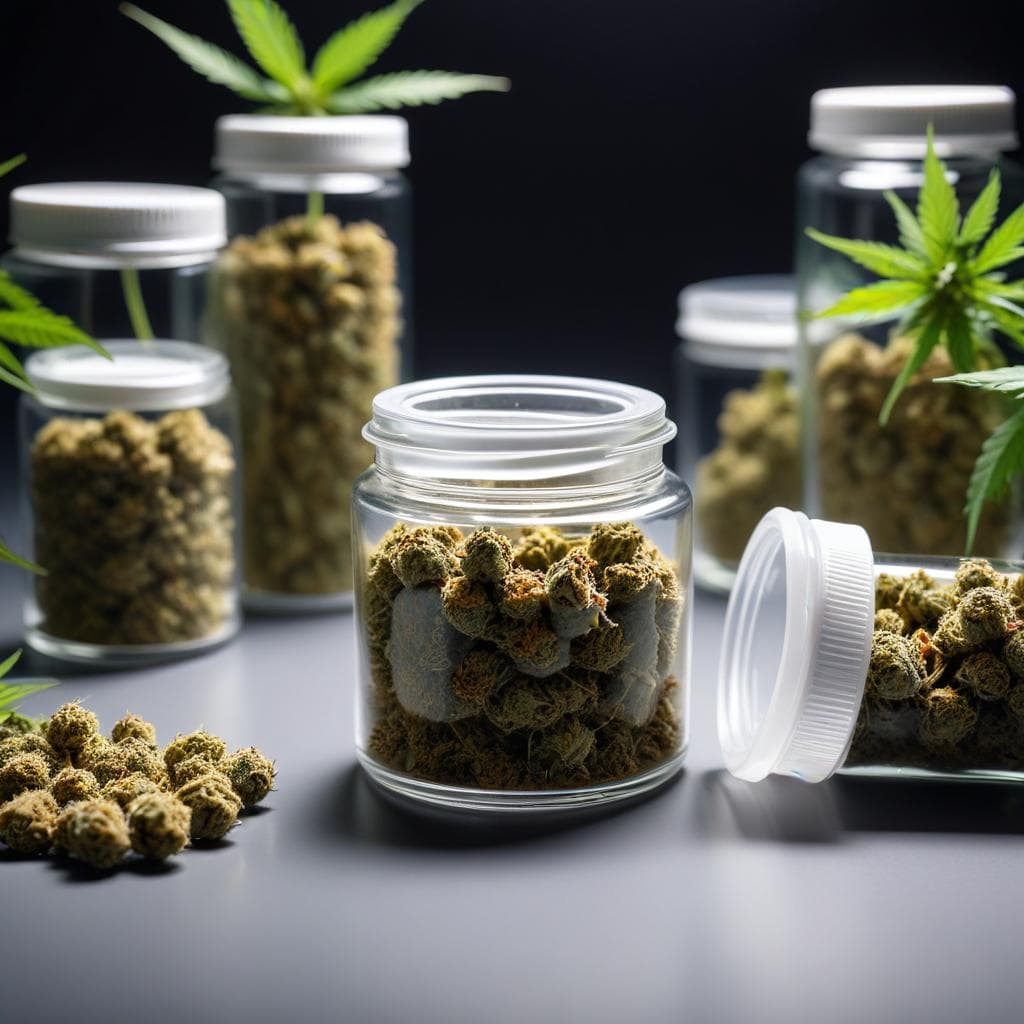
Why UV Glass Jars Are Essential for Cannabis Freshness: The Science of Light Protection
Understanding Light Degradation in Cannabis
Light is one of the greatest enemies of cannabis freshness. While proper humidity and temperature control get most of the attention, light exposure can degrade your flower faster than almost any other environmental factor.
UV glass jars offer a sophisticated solution to this problem, preserving potency and flavor while still allowing you to see your stored cannabis. In this comprehensive guide, we'll explore the science behind UV glass and why it's become the premium choice for serious storage.
The Science: How Light Damages Cannabis
The Photodegradation Process
When light hits cannabis, it triggers a series of chemical reactions that break down valuable compounds. This process, called photodegradation, affects:
THC Conversion: UV light accelerates the conversion of THC to CBN (cannabinol). While CBN has its own properties, this conversion means:
- Reduced psychoactive potency
- Changed effects profile
- Loss of original strain characteristics
Research shows that cannabis stored in clear containers under light can lose up to 35% of its THC within a year.
Terpene Destruction: Terpenes are even more vulnerable to light than cannabinoids. These volatile compounds:
- Break down into less aromatic molecules
- Evaporate more quickly when heated by light
- Lose their distinctive flavors and aromas
Chlorophyll Breakdown: Light causes chlorophyll degradation, resulting in:
- Brown or yellow discoloration
- Harsh taste when smoked
- Reduced aesthetic appeal
The UV Spectrum Explained
Not all light is equally damaging. The electromagnetic spectrum includes:
| Light Type | Wavelength | Damage Level | |------------|------------|--------------| | UV-C | 100-280nm | Extreme (blocked by atmosphere) | | UV-B | 280-315nm | Severe | | UV-A | 315-400nm | High | | Visible (blue) | 400-500nm | Moderate | | Visible (green-red) | 500-700nm | Lower | | Infrared | 700nm+ | Minimal direct damage |
UV rays (particularly UV-A and UV-B) cause the most damage, which is why specifically blocking these wavelengths is crucial.
How UV Glass Works
The Technology Behind UV Protection
UV glass, also known as violet glass or Miron glass, appears nearly black but actually allows specific wavelengths of light through while blocking harmful UV rays.
What UV glass blocks:
- 100% of UV-C rays
- 100% of UV-B rays
- Nearly 100% of UV-A rays
- Most visible light wavelengths
What UV glass allows:
- Violet light (380-420nm)
- Far-infrared light (above 700nm)
This selective filtration provides protection while allowing beneficial wavelengths that may actually support preservation.
Comparison to Other Glass Types
Clear Glass:
- Blocks almost no UV or visible light
- Provides zero protection from photodegradation
- Contents fully visible
Amber Glass:
- Blocks some UV (about 50-70%)
- Allows significant visible light
- Better than clear, but not optimal
Green Glass:
- Similar to amber, partial UV blocking
- Not specifically designed for UV protection
- Aesthetic choice rather than functional
UV/Violet Glass:
- Blocks 99%+ of harmful light
- Optimal for long-term preservation
- Contents visible but protected
Benefits of UV Glass Storage
Extended Potency
Cannabis stored in UV glass jars maintains its original potency significantly longer than in clear containers. Studies on similar applications (pharmaceuticals, essential oils) show:
- Up to 50% longer shelf life
- Better retention of active compounds
- Slower degradation curves
Preserved Terpene Profiles
For connoisseurs who appreciate strain-specific flavors and aromas, UV glass is essential. Terpene preservation means:
- Original strain aroma maintained
- Full flavor when consumed
- Better entourage effect
Professional Presentation
The distinctive dark appearance of UV glass jars communicates quality and care:
- Premium aesthetic
- Signals product value
- Differentiates from competitors
- Justifies higher price points
Visibility Without Compromise
Unlike completely opaque containers, UV glass still allows you to see contents:
- Check quantity without opening
- Assess visual quality
- Enjoy the appearance of stored flower
UV Glass for Different Applications
Home Storage
For personal collections, UV glass provides:
- Protection from ambient light
- Window display without damage
- Long-term storage confidence
Dispensary Product Packaging
Dispensaries benefit from UV glass jars as:
- Premium product packaging
- Customer education opportunity
- Quality differentiation
- Extended shelf life for inventory
Brand Differentiation
Custom branded UV glass jars from MunchMakers help brands:
- Stand out on shelves
- Demonstrate quality commitment
- Create memorable customer experiences
- Build brand recognition
Request a mockup to see your logo on premium UV glass containers.
Comparing UV Glass to Alternative Solutions
UV Glass vs. Opaque Containers
UV Glass Advantages:
- See contents without opening
- More aesthetic appeal
- Similar protection levels
Opaque Container Advantages:
- Complete light blocking
- Often more affordable
- Wider material options
UV Glass vs. Storage in Dark Location
UV Glass Advantages:
- Protection anywhere, not just dark storage
- Display without damage
- Portable protection
Dark Storage Advantages:
- No container cost
- Works with any container
- Complete darkness
UV Glass vs. Clear Glass + Dark Storage
UV Glass Advantages:
- Protection during transport
- Can be displayed
- No reliance on storage location
- Better for busy lifestyles
Maximizing UV Glass Effectiveness
Pair with Proper Sealing
UV glass works best in glass stash jars with airtight seals. Light protection combined with humidity control provides comprehensive preservation.
Use Humidity Packs
Even with light protection, humidity control remains essential:
- 58-62% RH for optimal storage
- Two-way humidity packs recommended
- Check monthly for pack replacement
Temperature Considerations
While UV glass blocks light, it doesn't insulate against temperature:
- Store in cool locations (60-70°F)
- Avoid sunny windowsills despite UV protection
- Keep away from heat sources
Proper Cleaning
Maintain UV glass effectiveness:
- Clean with isopropyl alcohol
- Avoid scratches that compromise UV blocking
- Inspect for chips or cracks
Common Questions About UV Glass
Does UV Glass Make Contents Invisible?
No. Contents are visible, just darker. In good lighting, you can see the flower inside clearly.
Is UV Glass Worth the Extra Cost?
For premium cannabis, absolutely. The cost difference is minimal compared to the value of preserved potency and flavor.
Can UV Glass Be Customized?
Yes. MunchMakers offers custom printing on UV glass jars for branding and personalization.
How Long Does UV Protection Last?
The UV blocking properties are inherent to the glass composition and don't degrade over time. With proper care, UV glass provides permanent protection.
Choosing Your UV Glass Solution
Size Considerations
Match jar size to storage quantity:
- 1/8 oz: Small jars
- 1/4 to 1/2 oz: Medium jars
- 1 oz+: Large jars
Style Options
Explore different UV glass jars styles:
- Wide mouth for easy access
- Narrow mouth for better seals
- Various lid options
- Custom shapes available
Complementary Products
Complete your storage setup with:
- Glass stash jars for variety
- Wood stash boxes for gift sets
- Smell proof containers for travel
Conclusion
UV glass technology represents the premium solution for cannabis storage, protecting against one of the most damaging environmental factors while maintaining visibility and aesthetic appeal.
For consumers who value potency and flavor, and for businesses that want to demonstrate quality commitment, UV glass jars are an essential investment.
Explore our complete collection of custom stash jars and discover how premium storage can protect your cannabis and elevate your brand.
Ready to Create Your Custom Storage?
Put your brand in your customers' hands. Get a free mockup in 24 hours.
Related Articles
Cannabis Storage Solutions: Complete Guide to Keeping Weed Fresh 2026
Optimal Cannabis Storage Temperature: The Complete Guide to Temperature Control